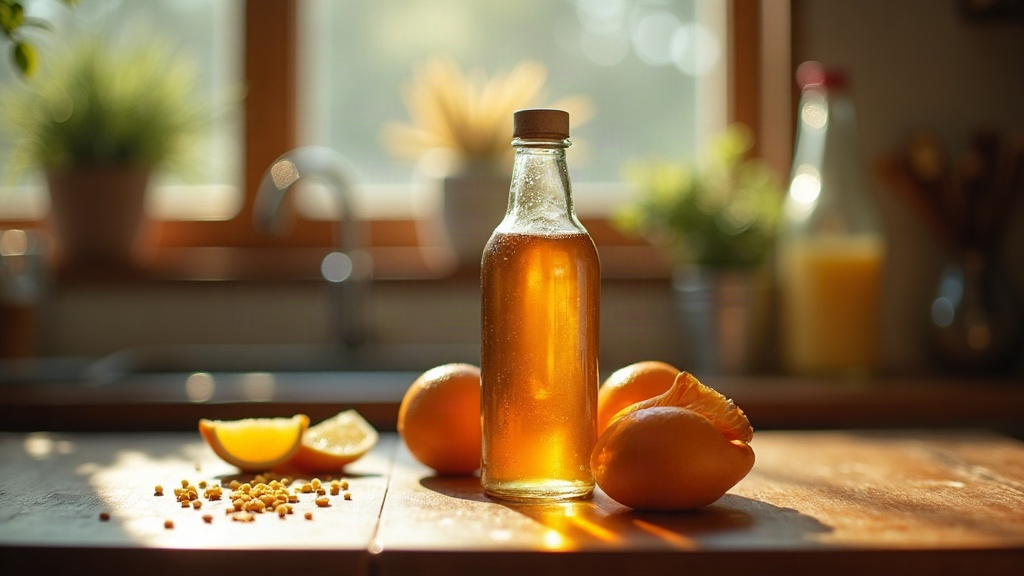
Biblical drink (oil)/ Honey blend has a long history in traditional kitchens. This page looks at that history, everyday meal habits, and why a short walk after eating is worth mentioning to your doctor.
Ask anyone who pays attention to their meals. The day has its own pattern. Here’s what that pattern often looks like.
Energy climbs, then drops fast. By mid-afternoon, focus feels harder to hold onto.
Some days begin heavy, even after a full night's sleep. Breakfast choices start to feel like a puzzle.
One article says avoid carbs. Another says eat more fiber. It's hard to know which voice to trust.
Deciding what to eat, three times a day, adds up. Meal planning can feel like a full-time job.
Some ideas about food and blood sugar get repeated so often they start to sound true. Let’s look closer.
All carbohydrates are the enemy.
Carbohydrates are a normal part of many traditional diets. Type, portion, and pairing matter more than the word itself.
Fruit is basically candy.
Whole fruit comes with fiber and water that behave differently than refined sugar. Context matters.
There’s a special ‘diabetic food’ category.
Most food isn’t labeled by condition. A balanced plate follows similar principles for most people — check with a professional for anything specific to you.
These are everyday habits, not medical advice. Always check with your doctor before changing your routine or anything related to a prescribed treatment.
Some people try eating vegetables first, protein next, and starches last. It’s a habit borrowed from traditional table order, not a rule.
Meals eaten quickly feel different than meals eaten slowly. Chewing, pausing, talking — the rhythm of the meal matters as much as its content.
A gentle stroll after eating is an old habit in many cultures. It’s simply a way to move the body, nothing more — talk to your doctor about what movement fits your situation.
Long before supplement aisles existed, kitchens across the Mediterranean and the Middle East combined oil and honey in everyday cooking. Olive oil was pressed and stored in clay jars; honey was harvested and kept as a pantry staple. Together, they appeared in bread dips, marinades, and simple dessert drizzles served at family tables. Old texts and household records mention the pairing as a marker of hospitality — offered to guests, used in celebrations, and passed down through generations of cooks. The combination was valued for its taste and its place in tradition, much like olive oil and vinegar are paired today.
This is a story about food culture, not a claim about what the blend does inside the body. Its place in history is in the kitchen, not in treatment.
If your energy feels unpredictable across the day, that's worth describing to the doctor who follows your care.
Changes in appetite or thirst are worth mentioning at your next appointment, rather than guessing at the cause.
Waking up tired despite enough hours in bed is a detail your healthcare provider can help sort out.
Any change in how your body recovers from small cuts or bruises deserves a conversation with a professional.
Sensations in your hands or feet that are new to you should be brought up with your doctor promptly.
If you change your eating habits and notice anything unusual, tell your doctor before making further changes — never adjust medication on your own.
These are individual experiences shared for illustrative purposes. They are not a guarantee of any outcome, and they don’t reflect medical advice, diagnosis, or treatment. Always follow the guidance of your own healthcare provider.
No. This page is educational and focused on food culture and everyday habits. It does not diagnose, treat, cure, or prevent any condition.
No. Never change a prescribed treatment without talking to your doctor first. This content doesn’t replace medical guidance.
No. A short walk is simply a habit some people enjoy. It’s not a substitute for anything your doctor has recommended.
The best source is the healthcare professional who already knows your history. This page is general information, not personal advice.
Take a closer look at the history, the habits, and the everyday context around Biblical drink (oil)/ Honey blend. And remember — always talk to your doctor before changing your diet, your routine, or any part of your prescribed treatment.
Advertising Disclosure: This is sponsored content created for informational and educational purposes. This page may contain affiliate links, and we may receive compensation if you click a link or make a purchase through it. This does not increase the cost to you.
Content Disclaimer: This content is for educational purposes only and has not been evaluated by the FDA. It is not intended to diagnose, treat, cure, or prevent any disease or condition. It does not substitute professional medical advice, diagnosis, or treatment. Always consult a qualified healthcare professional before changing your diet, your routine, or any prescribed treatment.
Results Disclaimer: Individual results and experiences vary. Testimonials shared on this page reflect personal opinions and are not a guarantee of any specific outcome for any individual.
© 2026 avmedaglobal.com · All Rights Reserved